Best Under Cabinet Lighting: Kitchen Task Lighting Designers Keep Recommending

The best under cabinet lighting for most kitchens is a dimmable 3000K to 3500K LED light bar or diffused LED strip with CRI 90+, mounted near the front of the cabinet so it lights the counter instead of the backsplash. Hardwired systems look cleanest, plug-in kits are best for renters, and battery lights are only for low-use areas.
Best Under Cabinet Lighting: Kitchen Task Lighting Designers Keep Recommending
The best under cabinet lighting makes a kitchen easier to use before it makes the kitchen prettier. It puts clean, even light on the counter, removes shadows from your hands, and gives the room a finished layer at night. Designers keep recommending it because it solves a real problem: ceiling fixtures light the floor and cabinet faces better than they light the place where chopping, reading labels, mixing, and cleaning actually happen.
Quick answer {#quick-answer}
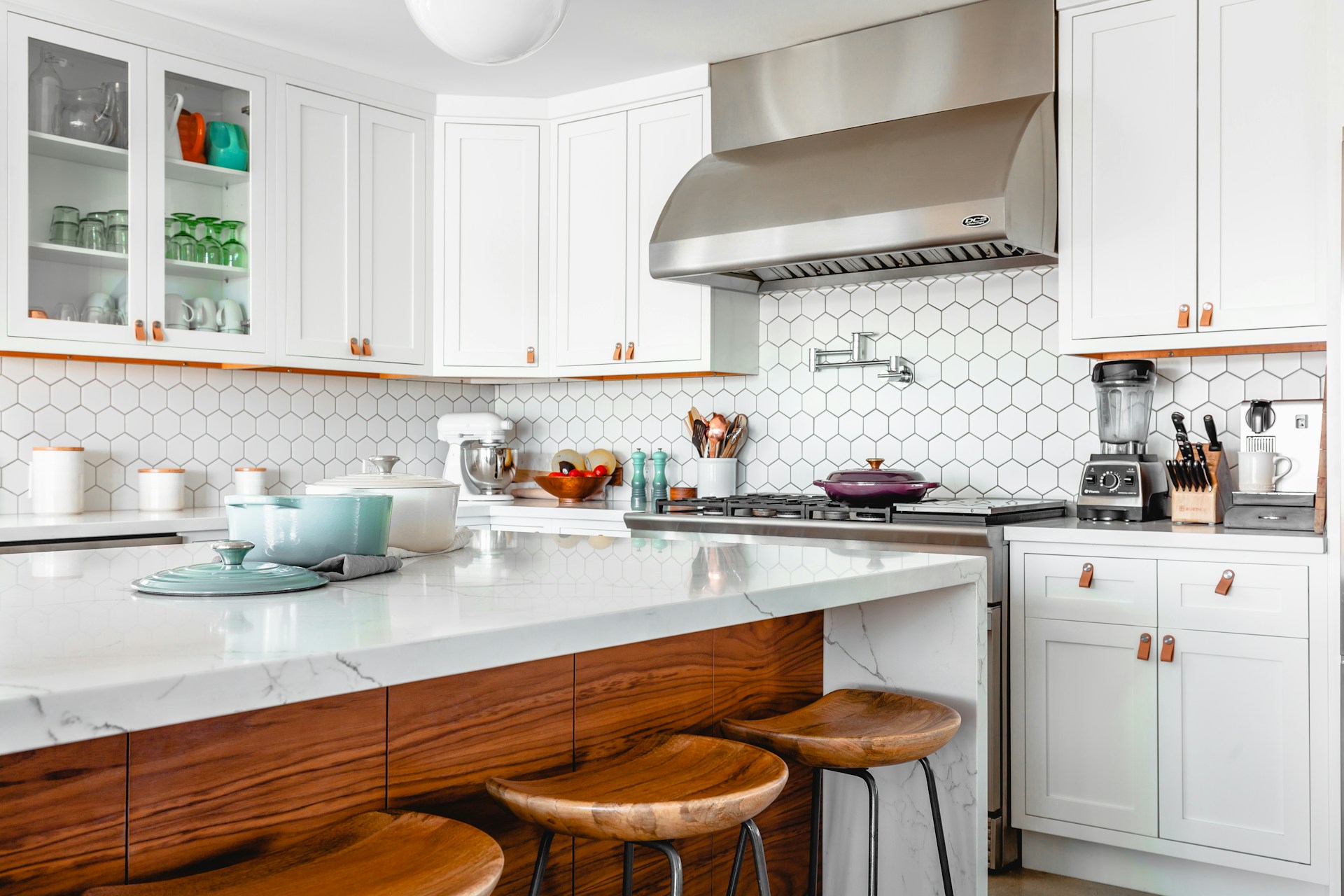
For most kitchens, choose dimmable LED light bars or diffused LED strips in the 3000K to 3500K range, with CRI 90+ if possible. Mount them near the front underside of the upper cabinets so the light lands across the counter rather than washing only the backsplash. Hardwired systems look the cleanest, plug-in systems are the easiest upgrade, and battery lights are best reserved for pantries, rental corners, or cabinets that are rarely used.
If you want one safe formula, use 3000K for a warm residential kitchen and 3500K for a brighter prep-focused kitchen. Avoid bare exposed strip dots, cold 5000K light in cozy kitchens, and tiny puck lights spaced so far apart that they create scalloped circles.
Why designers keep recommending under cabinet lighting {#why-designers-recommend-it}
Under cabinet lighting works because it puts light below the upper cabinet line, closer to the work surface. A ceiling fixture behind you can make your body cast a shadow onto the counter. Recessed cans can help, but they still come from above. Under cabinet fixtures solve the angle problem by lighting the counter directly.
The U.S. Department of Energy describes modern LED lighting as efficient, long-lasting, and highly controllable compared with older lighting technologies: https://www.energy.gov/energysaver/led-lighting. Those three traits matter in a kitchen. You can add a task layer without the heat and power draw of older halogen systems, and you can dim that layer down in the evening when the kitchen becomes part of the living space.
Energy Star also notes that LED products use far less energy and last much longer than traditional incandescent bulbs: https://www.energystar.gov/products/lighting_fans/light_bulbs/learn_about_led_bulbs. That is why under cabinet lighting is no longer a luxury-only detail.
For whole-room planning, pair this guide with our [room lighting guide](/blog/room-lighting-guide-color-temperature-lumens-layers). Under cabinet lighting is the task layer; the room still needs ambient light and, in many kitchens, a warmer accent layer for evenings.
What color temperature works best for kitchen task lighting? {#color-temperature}
Color temperature is the first decision because it changes how the kitchen feels.
For most homes, 3000K is the safest under cabinet choice. It looks warm enough to blend with residential lighting, but it is clearer than very warm 2700K. If your kitchen has white counters, pale tile, stainless appliances, or a modern look, 3500K can work well.
Use this simple range:
| Kitchen style or use | Best under cabinet color temperature |
|---|---|
| Warm wood, brass, cream, cozy kitchen | 2700K to 3000K |
| Most residential kitchens | 3000K |
| White, gray, modern, or task-heavy kitchen | 3000K to 3500K |
| Utility kitchen, laundry, garage work counter | 4000K |
Be careful with 5000K. Daylight-color LEDs can make food prep look sharp, but they often feel harsh at night and can make warm cabinet finishes look flat. If the kitchen is open to a living room, the under cabinet lights should not feel like a different building.
Our [color temperature guide](/blog/color-temperature-guide) explains how warm white, neutral white, and daylight compare in real rooms.
How bright should under cabinet lighting be? {#brightness}
Under cabinet brightness depends on whether the lights are mainly decorative or task-focused. For task lighting, aim for enough output to make the counter visibly brighter than the surrounding room without creating glare on polished stone.
As a practical starting point:
- Accent only: 100 to 250 lumens per foot.
- General counter support: 250 to 500 lumens per foot.
- Detailed prep work: 500 to 700+ lumens per foot.
The fixture position matters as much as lumen output. Mount lights close to the front underside of the cabinet, not tight against the wall. When a strip or bar sits too far back, your hands can cast shadows across the work area. When it sits too far forward without a diffuser or shield, it can shine into your eyes from seated positions or reflect off glossy counters.
For most cabinets, place the light about one to three inches behind the front rail, aimed downward. If the fixture throws a wide beam, tape one fixture in place at night and check the counter from normal standing and seated positions before attaching everything permanently.
LED strips vs light bars vs puck lights {#types}
The best fixture type depends on the kitchen, the budget, and how finished the installation needs to look.
LED light bars
Light bars are the cleanest choice for many kitchens. They are rigid, easy to align, usually diffused, and often link together neatly. A good light bar creates an even band of counter light without the dot pattern that cheap LED tape can show.
Choose light bars when you want a simple, durable task layer under straight cabinet runs.
Diffused LED strips
LED strips are flexible and excellent for long runs, corners, shelves, and custom cabinet layouts. The catch is that strips need proper diffusion and heat management to look professional. Bare tape stuck under a cabinet may work, but it often shows dots, collects grease, and can peel over time.
For a better result, use an aluminum channel with a milky diffuser. The channel keeps the strip straight, helps manage heat, protects the tape, and softens the line. Our [comfortable LED strip lighting guide](/blog/comfortable-led-strip-lighting-power-diffusion-placement) covers power, diffusion, and placement in more detail.
Puck lights
Puck lights can work for display shelves, glass-front cabinets, or small pools of accent light. For main kitchen counters, they are less forgiving. If pucks are spaced too far apart, they create circles instead of an even work surface. That can look dated unless the design intentionally uses pools of light.
Use puck lights when you want spotlight accents. Use bars or diffused strips when you want serious counter lighting.

Should under cabinet lights be hardwired, plug-in, or battery powered? {#power}
Power choice affects appearance, reliability, and installation complexity.
Hardwired under cabinet lighting is the best finished option. The wires can be hidden, controls can connect to a wall switch or dimmer, and the result looks built into the kitchen. Use a qualified electrician for line-voltage work or when adding new switches, drivers, or junction boxes.
Plug-in under cabinet lighting is the best practical upgrade for renters and fast DIY projects. It can look good if cords are routed cleanly and the outlet is nearby, but control is less elegant unless the kit includes a good dimmer.
Battery-powered under cabinet lighting is convenient but limited. It is useful inside pantries, under a single cabinet with no outlet, or in a rental where wiring is impossible. It is not the best choice for daily kitchen task lighting because batteries fade, output is lower, and charging becomes annoying.
CRI, flicker, and dimming matter more than people think {#quality}
Cheap under cabinet lighting can be bright and still look bad. Three quality specs decide whether it feels comfortable.
CRI measures how accurately a light source renders color. For kitchens, CRI 90+ is worth choosing. Food, wood, stone, tile, paint, and skin tones all look better under higher-quality light. A low-CRI fixture can make counters look dull even when the brightness is technically adequate.
Flicker is the hidden quality issue. Poor drivers and incompatible dimmers can create visible or invisible modulation that makes light feel unstable. IEEE lighting-quality work on LED flicker and power behavior is a useful reminder that the electronics behind the LED matter, not just the strip or fixture: https://ieeexplore.ieee.org/document/8782451.
Dimming is non-negotiable if the kitchen connects to a dining or living area. Full task brightness is useful while cooking, but it can feel aggressive during dinner or late-night cleanup. A dimmable system lets the same fixtures work as bright task light and soft evening ambience.
Before buying, check that the fixture, driver, and dimmer are compatible. If you are mixing multiple bars or strip sections, keep products from the same line when possible.
A practical buying checklist {#checklist}
Use this checklist before ordering:
- Choose 3000K for most kitchens, or 3500K for a brighter modern prep space.
- Look for CRI 90+ when food, stone, tile, wood, or paint colors matter.
- Use light bars or diffused strips for even counter coverage.
- Mount lights near the front underside of the cabinet.
- Pick hardwired for the cleanest permanent installation.
- Pick plug-in for a fast rental-friendly upgrade.
- Use battery lights only for low-use zones.
- Confirm dimmer and driver compatibility before installation.
- Avoid exposed LED dots unless the strip is fully hidden from view.
Good under cabinet lighting should feel quiet: easier counters, better backsplash depth, and a more comfortable kitchen after sunset.
FAQ {#faq}
What is the best color temperature for under cabinet lighting?
3000K is the safest choice for most kitchens. It feels warm enough for a home but clear enough for task lighting. Choose 3500K if the kitchen is modern, white, gray, or used heavily for prep work. Use 2700K only when the kitchen is intentionally warm and cozy.
Are LED strips or light bars better under cabinets?
Light bars are easier to install cleanly and usually give more even task light out of the box. LED strips are better for custom lengths, corners, and hidden details, but they should be installed in aluminum channels with diffusers for a professional result.
How many lumens do under cabinet lights need?
For most counters, 250 to 500 lumens per foot is a good target. Use less for accent lighting and more for detailed prep work.
Should under cabinet lighting be hardwired?
Hardwired lighting is best for a permanent kitchen because it hides cords and works cleanly with wall controls. Plug-in kits are still a good option for renters or quick upgrades. Battery-powered lights are convenient but usually too limited for everyday counter lighting.
Do under cabinet LEDs use a lot of electricity?
No, not compared with older lighting. Energy Star and DOE resources both highlight LED efficiency, and under cabinet fixtures usually run at modest wattages. Use dimming and choose only the length you need to keep energy use low.
Frequently Asked Questions
What is the best color temperature for under cabinet lighting?
3000K is the safest choice for most kitchens. Use 3500K for a brighter modern prep space, and use 2700K only when the kitchen is intentionally warm and cozy.
Are LED strips or light bars better under cabinets?
Light bars are easier for even task light. LED strips are better for custom runs, but they should be installed in aluminum channels with diffusers.
Should under cabinet lighting be hardwired?
Hardwired lighting is best for permanent kitchens because it hides cords and supports clean wall controls. Plug-in kits are better for renters and fast upgrades.


