Ambient Lighting Trends 2026: Warm Layers, Hidden Strips, and No Glare

The strongest ambient lighting trends for 2026 are warm layered light, hidden LED strips, soft cove and shelf glow, better dimming, and less visible glare. For most homes, use 2700K to 3000K light in living rooms and bedrooms, place strips where the source cannot be seen directly, and use diffusers or reflected surfaces so the room feels bright without sharp points of light.
Ambient Lighting Trends 2026: Warm Layers, Hidden Strips, and No Glare
Ambient lighting trends in 2026 are moving away from obvious gadget lighting and toward rooms that feel calmer, warmer, and more intentional. The best rooms do not shout that they have LEDs. They use warm layers, hidden strips, dimmable zones, and glare control so the space feels comfortable at 7 a.m., usable at 6 p.m., and relaxed after dark.
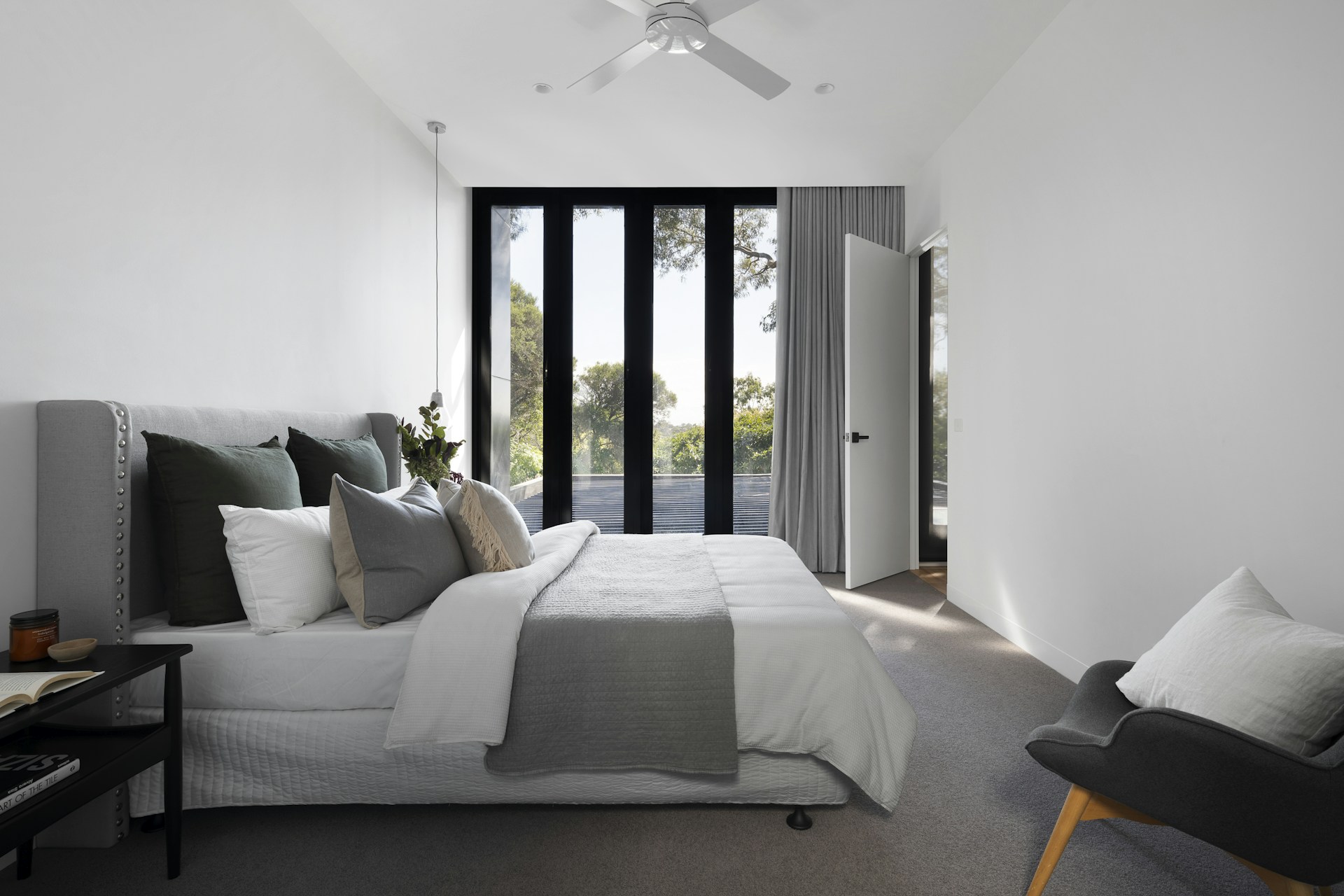
Quick answer {#quick-answer}
The most useful ambient lighting trends for 2026 are warm white light, concealed LED strips, soft cove lighting, wall washing, low-glare fixtures, and simple controls. For most living rooms and bedrooms, use 2700K to 3000K lighting. Hide LED strips behind shelves, coves, headboards, media walls, toe kicks, or cabinet lips. Add diffusers when the strip is visible from any normal angle. Then put the room on dimmers or scenes so the same fixtures can shift from bright daily use to a soft evening level.
This is not only about style. The U.S. Department of Energy notes that LED lighting is efficient, long-lasting, and highly controllable compared with older lighting technologies: https://www.energy.gov/energysaver/led-lighting. That controllability is what makes modern ambient lighting work. You can build a room from several low-level sources instead of relying on one harsh ceiling fixture.
Energy Star also explains that LED lighting uses far less energy and lasts much longer than traditional incandescent lighting: https://www.energystar.gov/products/lighting_fans/light_bulbs/learn_about_led_bulbs. That means layered lighting does not have to mean wasteful lighting. The key is thoughtful placement, not maximum brightness.
For the full room-planning framework, start with our [ambient lighting ideas guide](/blog/ambient-lighting-ideas-room-feel-finished-without-overlighting), then use this trend guide to make the choices feel current.
Trend 1: warm layers instead of one bright ceiling light {#warm-layers}
The biggest lighting shift is simple: rooms feel better when light comes from several places. A single overhead fixture can make a room technically bright but emotionally flat. In 2026, the premium look is built from layers: ceiling glow, wall glow, shelf glow, table lamps, floor lamps, and low-level accent light.
Warm light is the base. For most living rooms, bedrooms, dining rooms, and lounge spaces, 2700K to 3000K is the sweet spot. It keeps wood, fabric, art, stone, and skin tones looking comfortable. A cooler 3500K to 4000K can work in kitchens, laundry rooms, closets, garages, and offices, but it often feels too alert for relaxed evening rooms.
Layering also solves a practical problem. People use the same room in different ways. A living room might need enough light for cleaning, lower light for conversation, and very low light for a movie. A bedroom might need reading light, closet light, and soft light that does not shock the eyes at night. One fixture cannot do all of that well.
Use this formula:
| Room mood | Practical lighting mix |
|---|---|
| Calm living room | Warm lamps, hidden shelf glow, dim ceiling light |
| Bedroom retreat | Bedside task lights, headboard glow, low path light |
| Kitchen evening mode | Under-cabinet light, toe-kick light, dim pendants |
| Media room | Bias lighting behind screen, low wall glow, no direct glare |
If the room feels flat, do not start by buying brighter bulbs. Add a second or third source at a different height.
Trend 2: hidden LED strips that look built in {#hidden-strips}
LED strips are still central to ambient lighting trends, but the visible strip look is fading. The more current approach is concealed linear light. The source disappears, and the surface around it glows.
The best hiding places are architectural edges:
- Behind floating shelves.
- Above kitchen cabinets.
- Inside ceiling coves.
- Behind a headboard.
- Under a bed frame.
- Behind a TV wall or media panel.
- Under a vanity.
- Along stair treads or toe kicks.
- Inside display cabinets with frosted or diffused output.
The goal is to see the effect, not the diode. If you can see individual points of light from a normal standing or seated position, the installation probably needs a diffuser, a deeper channel, a better hiding angle, or a lower brightness setting.
Aluminum channels with milky diffusers make a big difference. They keep the strip straight, protect the tape, help move heat away from the LEDs, and soften the output. This is especially important on shelves, under cabinets, and anywhere light reflects off glossy counters, polished tile, glass, or dark TV screens.
For technical strip choices, our [comfortable LED strip lighting guide](/blog/comfortable-led-strip-lighting-power-diffusion-placement) explains voltage, power, diffusion, and placement in more detail.
Trend 3: no-glare brightness {#no-glare}
The best 2026 ambient lighting is bright enough to use but soft enough to ignore. That means glare control matters more than raw lumens.
Glare happens when the eye sees a source that is much brighter than the surrounding surface. A bare LED strip under a shelf can be uncomfortable even at modest output. A shaded lamp can feel better even if it uses the same amount of light. A ceiling downlight can make a coffee table sparkle but also create harsh shadows on faces.
To avoid glare, think about line of sight. Sit on the sofa, lie in the bed, stand at the kitchen island, and look toward each light. If the source is visible and sharp, it needs shielding. Good ambient lighting often bounces light off walls, ceilings, cabinetry, or diffusers before it reaches the eye.
Use these practical rules:
- Aim cove lighting toward a ceiling or wall, not directly into the room.
- Put LED strips behind a lip or inside a channel.
- Use frosted diffusers for visible linear lighting.
- Keep TV backlighting dimmer than the screen.
- Use lamp shades that hide the bulb from seated eye level.
- Avoid tiny high-output fixtures in dark corners.
- Put every major ambient layer on a dimmer.
A room can feel brighter after you reduce glare because the eye is no longer fighting sharp contrast.
Trend 4: color that supports the room instead of dominating it {#color}
Color-changing LEDs are not disappearing, but their role is more restrained. The strongest rooms use good white light for everyday living and save saturated color for occasional scenes.
For most homes, RGB is best treated as an accent, not the main lighting plan. Deep blue, red, and purple light can be fun for short scenes, but they distort furniture, food, skin tones, and wall colors. If the room has to work every day, prioritize warm white quality. Look for CRI 90+ when the light touches furniture, artwork, stone, wood, or faces.
If you want both white and color, choose RGBW or RGBCCT strips instead of basic RGB. RGBW adds a dedicated white channel. RGBCCT adds tunable warm-to-cool white plus color. That gives you real warm white for normal nights and color when you intentionally want it.
For room-by-room color temperature, use our [LED color temperature room guide](/blog/led-color-temperature-room-guide-kitchens-bedrooms-workspaces).
Room-by-room ideas that still feel current {#room-ideas}
Living rooms
Use warm lamps, a dimmable ceiling layer, and hidden strips behind shelves or a media unit. If the TV wall needs light, keep it low and indirect. The glow should soften contrast, not compete with the screen.
Bedrooms
The best bedroom LED strip ideas are quiet: behind the headboard, under the bed, inside a cove, or along a wardrobe toe kick. Avoid exposed color strips around the ceiling perimeter unless the room is intentionally playful. Warm white usually looks more finished than saturated color.
Kitchens
Under-cabinet lighting is task light during cooking and ambient light after dinner. Use 3000K or 3500K for counters, then dim it at night. Above-cabinet glow can soften the ceiling line if the cabinets do not meet the ceiling.
Bathrooms
Use clean vanity light for faces, then add a separate soft layer under a floating vanity, in a niche, or along a cove. Bathroom ambient lighting should be moisture-aware, so check product ratings and installation requirements before placing strips near wet zones.
Hallways and stairs
Low-level linear light is useful here. Toe-kick, stair, or wall-base lighting can make movement safer at night without waking the house with bright overhead fixtures.
Mistakes that make ambient lighting look cheap {#mistakes}
The fastest way to ruin an ambient lighting plan is to make every source visible. Exposed LED dots, dangling wires, mismatched color temperatures, overly bright strips, and app-only controls all make the room feel unfinished.
Avoid these common mistakes:
- Using cool daylight strips in cozy rooms.
- Installing strips without testing the reflection first.
- Mixing 2700K, 3000K, 4000K, and RGB white in the same sightline.
- Running strips at full brightness all evening.
- Leaving power supplies or cords visible.
- Using app-only controls for lights people use every day.
- Placing bright linear light where it shines into seated eyes.
The best ambient lighting should feel easy. People should notice the room before they notice the fixture.
FAQ {#faq}
What color temperature works best for cozy ambient lighting?
For cozy ambient lighting, 2700K to 3000K is usually best. Use 2700K for a softer lamp-like feel and 3000K for a cleaner warm white. Bedrooms, living rooms, and dining rooms usually look best in this range.
Where should LED strips be hidden for a premium look?
Hide LED strips behind shelves, coves, headboards, TV panels, toe kicks, cabinet lips, vanity bases, and stair details. The premium look comes from seeing a soft glow on a surface, not the strip itself.
How can a room avoid glare while still feeling bright?
Use several dimmable sources, bounce light off walls or ceilings, hide direct LED strips, add diffusers, and avoid bright exposed points in dark areas. Lower-glare rooms often feel more comfortable even when the measured brightness is not higher.
Are RGB LED strips still popular in 2026?
Yes, but the better trend is controlled use. Use high-quality warm white for daily lighting and reserve RGB or RGBIC effects for occasional scenes. RGBW or RGBCCT strips are better when you want both color and good everyday white light.
Do ambient LED layers waste energy?
Not when they are planned well. LEDs are efficient, and ambient layers are often dimmed or low-output. Use the right length, choose efficient products, and put the room on dimmers or scenes so lights run only as bright as needed.
Frequently Asked Questions
What color temperature works best for cozy ambient lighting?
For cozy ambient lighting, 2700K to 3000K is usually best. Use 2700K for a softer lamp-like feel and 3000K for a cleaner warm white.
Where should LED strips be hidden for a premium look?
Hide LED strips behind shelves, coves, headboards, TV panels, toe kicks, cabinet lips, vanity bases, and stair details so the room shows a soft glow instead of visible diode dots.
How can a room avoid glare while still feeling bright?
Use several dimmable sources, bounce light off walls or ceilings, hide direct LED strips, add diffusers, and avoid bright exposed points in dark corners.


