Best LED Strip Lights for Every Room: 2026 Buyer's Guide

Best LED Strip Lights for Every Room: 2026 Buyer's Guide
LED strip lights have come a long way from the cheap, bluish Amazon specials of 2019. The best LED strip lights in 2026 deliver CRI ratings above 95, tunable white from 2200K to 6500K, seamless dimming down to 0.1%, and smart home integration via Matter or Zigbee — all at price points that have dropped 40-60% since 2022.
But choosing the right strip for each room remains surprisingly confusing. Kitchen task lighting demands different specs than a bedroom ambient glow. A bathroom installation needs IP67 waterproofing. A home theater cove needs flicker-free dimming and precise color accuracy. And if you buy the wrong density or wattage, you end up with visible hot spots or insufficient brightness.
This guide cuts through the noise. Room by room, we cover the exact specifications you need, common mistakes to avoid, and what to look for in 2026-era LED strip technology.
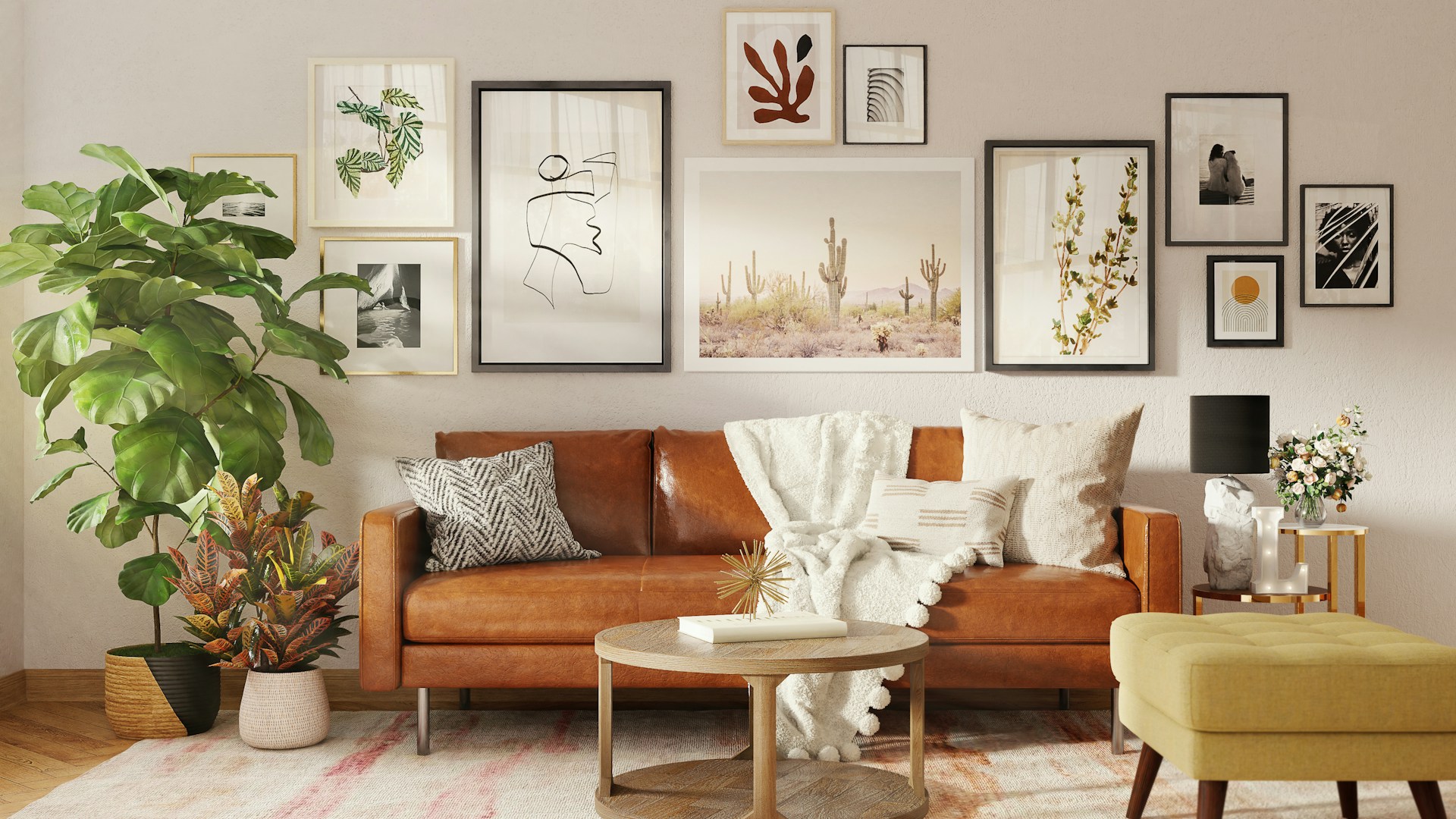
What Changed in 2026: The New LED Strip Landscape
Before diving into room-specific recommendations, it is worth understanding three shifts that redefine what "good" looks like in 2026:
1. COB Strips Are Now the Default for Quality
Chip-on-board (COB) LED strips use densely packed diodes under a uniform phosphor layer, eliminating the visible "dotting" of traditional SMD strips. In 2024, COB strips carried a 2-3x price premium. By 2026, mass production has brought prices within 20-30% of standard SMD 2835 strips. For any application where the strip might be partially visible — under cabinets, on shelves, in coves — COB is now the recommended choice.
For a deeper technical comparison, our [guide to CRI explained](/blog/cri-explained) covers why chip architecture affects color rendering quality.
2. Tunable White Is Standard on Mid-Range Strips
Two years ago, tunable white (adjustable CCT from warm to cool) was a premium feature. In 2026, most reputable brands include it in their mid-range product lines. This means you can have 2700K warm white in the evening and 5000K daylight white for task work — from a single strip, controlled by app or voice.
This ties directly into the [human-centric lighting trend](/blog/human-centric-home-lighting-2026) reshaping how we think about residential illumination.
3. Matter-Compatible Controllers Are Arriving
The Matter smart home standard has finally reached LED strip controllers. This means your strips can work with Apple Home, Google Home, Amazon Alexa, and Samsung SmartThings simultaneously — without a proprietary hub. When evaluating controllers in 2026, look for Matter 1.3+ compatibility.
Room-by-Room Guide
Kitchen: Task Lighting That Actually Works
Where to install: Under upper cabinets, inside glass-front cabinets, above the range hood, toe-kick accent
Specs you need:
- CCT: 3500-4000K (neutral white) for accurate food color rendering; or tunable white
- CRI: 90+ minimum, ideally 95+ (you need to see actual food colors, not washed-out versions)
- Density: 120 LEDs/m (COB) or 120 LEDs/m (SMD 2835) minimum for even under-cabinet illumination
- Brightness: 800-1200 lumens per meter for task areas
- IP rating: IP54+ for above-range installations (steam/grease exposure)
Common mistakes:
- Installing warm white (2700K) strips under cabinets — this creates a yellowish cast that makes food look unappetizing and makes it harder to read recipes
- Using 30 LEDs/m strips, creating visible hot spots on the countertop
- Skipping the aluminum channel — under-cabinet strips without a heat sink degrade 2-3x faster from heat buildup against the cabinet bottom
Pro tip: Run the strip behind a frosted aluminum channel with a 120° diffuser. This eliminates hot spots and gives a clean, linear look that rivals $500+ integrated LED undercabinet fixtures.
Living Room: Ambient Layers and Accent Lighting
Where to install: Cove lighting (ceiling perimeter), behind TV, under floating shelves, inside bookshelves, along baseboards
Specs you need:
- CCT: 2700-3000K for primary ambient, or tunable white for flexibility
- CRI: 90+ (important for artwork and decor colors)
- Density: 120+ LEDs/m (COB strongly recommended for visible cove applications)
- Brightness: 400-800 lumens per meter for ambient/accent; up to 1200 lm/m for primary cove lighting replacing overhead fixtures
- Dimming: 0-100% smooth dimming without flicker (PWM frequency should be 1000Hz+ or use analog/constant-current dimming)
Common mistakes:
- Using RGBW strips for ambient white light — the white channel in most RGBW strips has CRI of 70-80, noticeably inferior to dedicated white or tunable-white strips
- Running strips directly on drywall without channels, creating uneven light output and a "craft project" appearance
For ceiling cove installation techniques, see our detailed [LED cove lighting DIY guide](/blog/led-cove-lighting-ceiling-diy).
Bedroom: Warm, Dimmable, Circadian-Friendly
Where to install: Under bed frame, behind headboard, inside wardrobe, along floating nightstands, closet interior
Specs you need:
- CCT: 2200-2700K for evening use; tunable white highly recommended for morning/evening switching
- CRI: 90+ (accurate skin tones and fabric colors)
- Density: 60-120 LEDs/m (lower density acceptable for accent use)
- Brightness: 200-500 lumens per meter (bedroom lighting should be subdued)
- Dimming: Essential — must dim smoothly to very low levels (1-5%) without flicker
As the [circadian lighting home guide](/blog/circadian-lighting-home-guide) explains, bedroom lighting color temperature has a measurable impact on melatonin production and sleep quality.
Pro tip: For under-bed accent lighting, use a warm white (2200K) strip with a motion sensor. It activates at 5% brightness when you step out of bed at night, providing safe navigation without waking your brain.
Bathroom: Waterproof, High-CRI, and Properly Rated
Where to install: Under vanity, behind mirrors, inside shower niches (with proper IP rating), toe-kick, along bathtub surround
Specs you need:
- CCT: 3500-4000K around mirrors/vanity (accurate skin tone rendering for grooming); 2700K for bathtub/ambient zones
- CRI: 95+ for vanity areas (critical for makeup application and skin tone accuracy)
- Density: 120+ LEDs/m for vanity task lighting
- Brightness: 800-1200 lumens per meter for vanity; 300-500 lm/m for accent
- IP rating: IP65 minimum for vanity areas, IP67 for shower/tub proximity, IP68 for inside shower
Common mistakes:
- Ignoring IP ratings — bathroom humidity destroys non-rated strips within months
- Using cool white (5000K+) everywhere — this creates a clinical, unflattering appearance
For a comprehensive reference on IP waterproofing standards, see our [IP ratings guide](/blog/ip-ratings-guide).
Home Office: Productive, Glare-Free, and Adaptive
Where to install: Monitor backlight (bias lighting), under desk, overhead cove, bookshelves
Specs you need:
- CCT: Tunable white strongly recommended (5000K for focused work sessions, 3000K for evening wind-down)
- CRI: 90+ (accurate document and screen color representation)
- Density: 60-120 LEDs/m
- Brightness: Bias lighting behind monitors should be 300-500 lm/m; overhead cove 800-1200 lm/m
Monitor bias lighting tip: Install a 6500K strip behind your monitor at roughly 10% of the screen's brightness. According to the [American Medical Association's guidance on LED lighting](https://www.ama-assn.org/), bias lighting reduces eye strain by minimizing the contrast ratio between the bright screen and the dark wall behind it.
Home Theater / Media Room: Color Accuracy Meets Atmosphere
Where to install: Behind TV/projector screen (bias lighting), along floor coves, behind acoustic panels, step lighting
Specs you need:
- CCT: 6500K (D65 standard) for bias lighting behind the screen; 2200-2700K for ambient accent
- CRI: 95+ for bias lighting (to avoid color-casting the screen perception)
- Density: 120+ LEDs/m (COB mandatory — no visible dots reflecting off the screen)
- Dimming: Flicker-free at all levels — PWM frequency must be 3000Hz+ (some sensitive viewers can perceive 1000Hz flicker peripherally in a dark room)
LED Strip Specs Cheat Sheet
| Spec | Budget | Mid-Range | Premium |
|---|---|---|---|
| LED Type | SMD 2835 | COB | COB / Nichia |
| CRI | 80+ | 90+ | 95-97 |
| CCT | Fixed (2700K or 4000K) | Tunable White | Tunable + RGBW |
| Density | 60/m | 120/m | 240/m+ |
| Dimming | Basic PWM | 1000Hz+ PWM | Analog / Constant Current |
| Smart Control | IR Remote | Wi-Fi (Tuya) | Matter / Zigbee |
| IP Rating | IP20 | IP54 | IP67 |
| Price/5m | $15-30 | $40-80 | $100-200+ |
| Lifespan (L70) | 20,000 hrs | 35,000 hrs | 50,000 hrs |
Installation Essentials
Regardless of room, four rules apply to every LED strip installation:
- Always use aluminum channels for visible runs. They dissipate heat (extending LED life by 40-60%), eliminate hot spots, and create a professional linear appearance. Our [LED strip installation guide](/blog/led-strip-installation) covers channel selection in detail.
- Size your power supply at 80% capacity. If your strips draw 60W total, use a 75W driver. Running a driver at 100% generates excess heat and shortens its lifespan.
- Use a proper dimmer, not just the app. Smart controllers handle on/off and scene recall well, but a physical wall dimmer (Lutron Caseta, Inovelli) provides instant adjustment and WAF (Wife Acceptance Factor).
- Plan your wire runs before sticking anything. LED strips are easy to install but painful to reposition. Map out every strip location, controller placement, and power injection point on paper first.
For step-by-step cutting techniques, see [how to cut LED strip lights](/blog/how-to-cut-led-strip-lights).
Frequently Asked Questions
How long do LED strip lights last?
Quality LED strips (CRI 90+, proper aluminum channel) last 35,000-50,000 hours to L70 (70% of original brightness). At 8 hours/day, that is 12-17 years. Budget strips without heat management degrade much faster — often 50% brightness loss within 2-3 years.
Are COB LED strips worth the extra cost?
Yes, for any application where the strip is visible or semi-visible (under cabinets, coves, shelves). The difference in light quality — smooth, dot-free illumination — is immediately apparent. For hidden applications (behind crown molding, inside closed cabinets), SMD strips are perfectly fine.
Can I mix different color temperature strips in one room?
Absolutely. Using 4000K under kitchen cabinets for task light and 2700K in a dining area cove is a common and effective approach. Alternatively, tunable white strips let you adjust one installation across the full CCT range.
What is the best LED strip for behind a TV?
A 6500K (D65) high-CRI strip at approximately 10% of your TV's brightness. This provides accurate bias lighting that reduces eye strain without color-casting your perception of the screen. COB strips are ideal here to avoid reflected dot patterns on the wall.
How much do LED strip lights cost to run?
A typical 5-meter, 10W/m strip running 6 hours daily costs approximately $13/year at the U.S. average electricity rate ($0.12/kWh). LED strips are one of the most energy-efficient decorative and task lighting options available, as explained in our [lumens vs watts guide](/blog/lumens-vs-watts).
Do I need a special dimmer for LED strips?
Yes. Standard incandescent dimmers cause LED flicker and buzzing. Use a dimmer rated for LED loads, or use the dimming function built into your smart controller. For the smoothest dimming, look for strips and drivers that support 0-10V or DALI dimming protocols.
Frequently Asked Questions
How long do LED strip lights last?
Quality LED strips last 35,000-50,000 hours to L70 (70% of original brightness). At 8 hours/day, that is 12-17 years.
Are COB LED strips worth the extra cost?
Yes, for any visible application. The dot-free illumination is immediately apparent. For hidden applications, SMD strips are fine.
Can I mix different color temperature strips in one room?
Absolutely. Using 4000K for task light and 2700K for accent is a common approach. Tunable white strips let you adjust across the full range.
What is the best LED strip for behind a TV?
A 6500K (D65) high-CRI strip at approximately 10% of your TV's brightness. COB strips are ideal to avoid reflected dot patterns.
How much do LED strip lights cost to run?
A typical 5-meter, 10W/m strip running 6 hours daily costs approximately $13/year at the U.S. average electricity rate.
Do I need a special dimmer for LED strips?
Yes. Standard incandescent dimmers cause LED flicker and buzzing. Use a dimmer rated for LED loads or a smart controller.


