2026 Living Room Lighting Trends: Warm, Cozy, and Designer-Approved Ideas

The defining living room lighting trend for 2026 is warm, layered, dimmable light — 2700K color temperature, floor lamps at eye level, LED cove strips for indirect ceiling glow, and smart dimmers to shift from bright daytime to cozy evening atmosphere. No renovation required.
2026 Living Room Lighting Trends: Warm, Cozy, and Designer-Approved Ideas
If you walked into a beautifully lit living room in 2026 and tried to describe the feeling — warm, soft, intimate, expensive — you would be describing a lighting trend that has quietly taken over interior design. Cool, bright overhead light is out. Layered, warm, human-scale ambient light is in. And the best part: you can achieve it with LED strips, a few smart bulbs, and a dimmer.
This guide breaks down exactly what lighting designers, trend forecasters, and lighting manufacturers are calling the defining aesthetic of 2026 living rooms — and how to get there in a weekend.
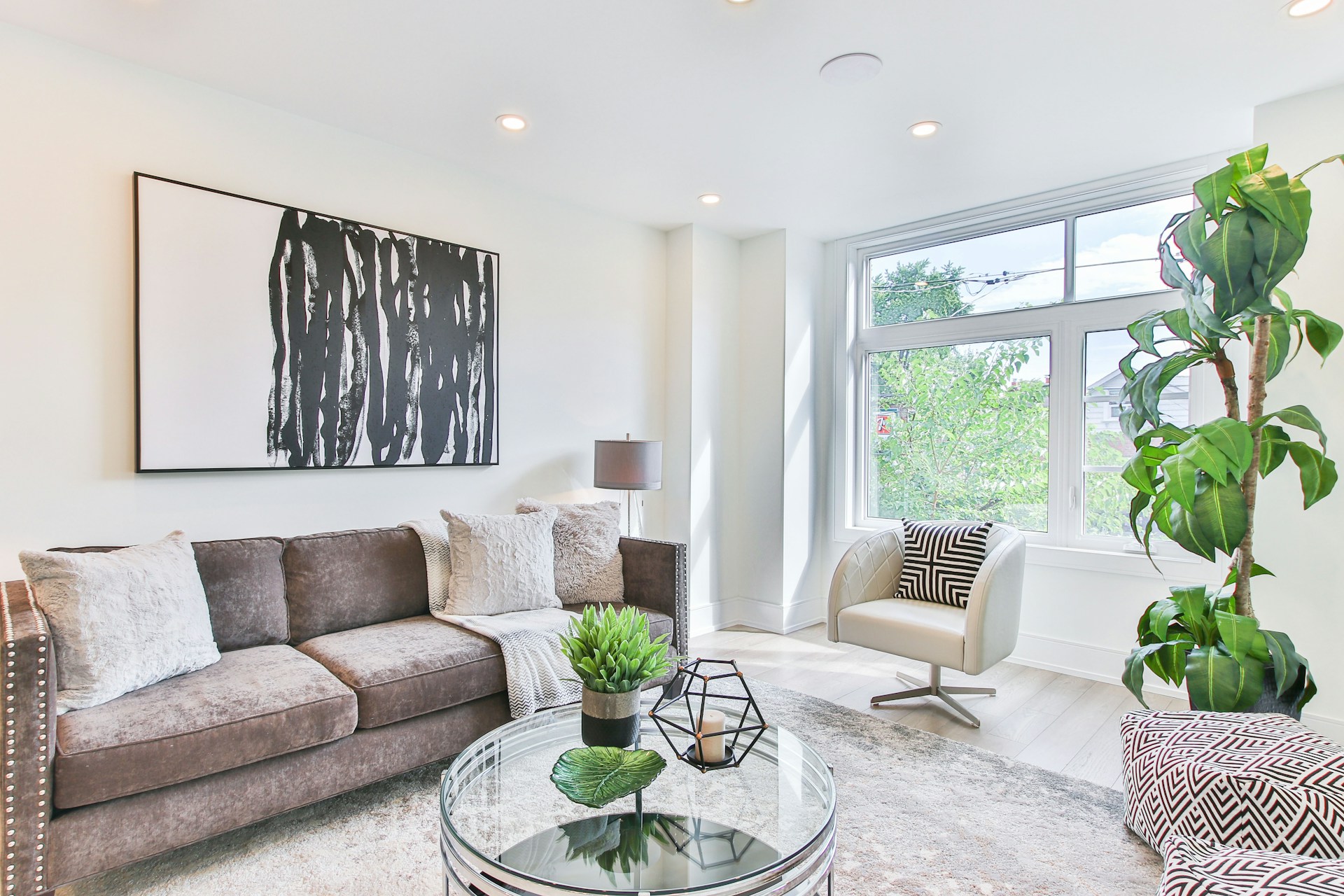
Why Living Room Lighting Is Changing in 2026 {#why-changing}
Several forces are converging to reshape how people light their living rooms.
The pandemic legacy. Years of working, relaxing, and socializing in the same rooms made people intensely aware of how lighting affects mood. A harshly lit living room that doubles as a home office creates chronic low-grade stress. The solution — separate, controllable lighting zones — is now mainstream.
LED technology catching up to incandescent warmth. For years, warm LED bulbs produced a clean but slightly sterile warmth. By 2026, high-CRI warm LEDs at 2700K now produce light that is virtually indistinguishable from vintage incandescent, without the energy waste. According to the [U.S. Department of Energy](https://www.energy.gov/eere/buildings/solid-state-lighting), modern LEDs convert up to 40% of energy into visible light versus less than 5% for incandescent — and the quality gap has closed.
Smart control reaching mass-market pricing. Matter protocol — the universal smart home standard now supported by Apple, Google, Amazon, and Samsung — has made smart dimmers and tunable bulbs broadly affordable and interoperable. Setting a "movie night" scene no longer requires expensive proprietary systems.
Design culture shifting toward cozy minimalism. Influenced by Nordic "hygge" aesthetics and the broader wellness movement, 2026 interior design is moving away from bright, maximally illuminated spaces toward intentionally dim, layered, textured rooms. Lighting is the cheapest tool to create that shift.
The Top Living Room Lighting Trends for 2026 {#top-trends}
1. Warm White Dominates: 2700K Is the New Standard
The single biggest shift in living room lighting for 2026 is color temperature. Cooler whites (3000K–4000K) that dominated the LED transition era are being replaced by 2700K — a warmer, amber-toned light that mimics late-afternoon sun or candlelight.
Color temperature profoundly affects how a room feels. Research published in Building and Environment found that participants rated rooms lit at 2700K as significantly more relaxing, comfortable, and inviting than identical rooms lit at 4000K. The warm bias activates a different neurological response — lower arousal, reduced cortisol — compared to the alertness-promoting blue-heavy spectrum of cool-white LEDs.
Houzz's 2026 trend report noted that the most-pinned living rooms shared a specific quality: "golden hour light, all the time." That means 2700K at 40–60% brightness, with shadows and contrast preserved by layering rather than flattening everything with overhead flood lights.
Practical step: Replace any 3000K or 4000K bulbs in your living room with 2700K LEDs. Look for CRI 90+ to ensure colors render accurately at the warmer temperature. [Energy Star](https://www.energystar.gov/products/lighting_fans/light_bulbs/learn_about_led_bulbs)-certified 2700K bulbs are available at most hardware stores for $3–8 per bulb.
2. The Floor Lamp Revival
Overhead recessed lighting is getting demoted. Interior designers in 2026 recommend that the overhead fixture run at a low ambient level — or not at all in the evening — while floor lamps and table lamps do the primary visual work.
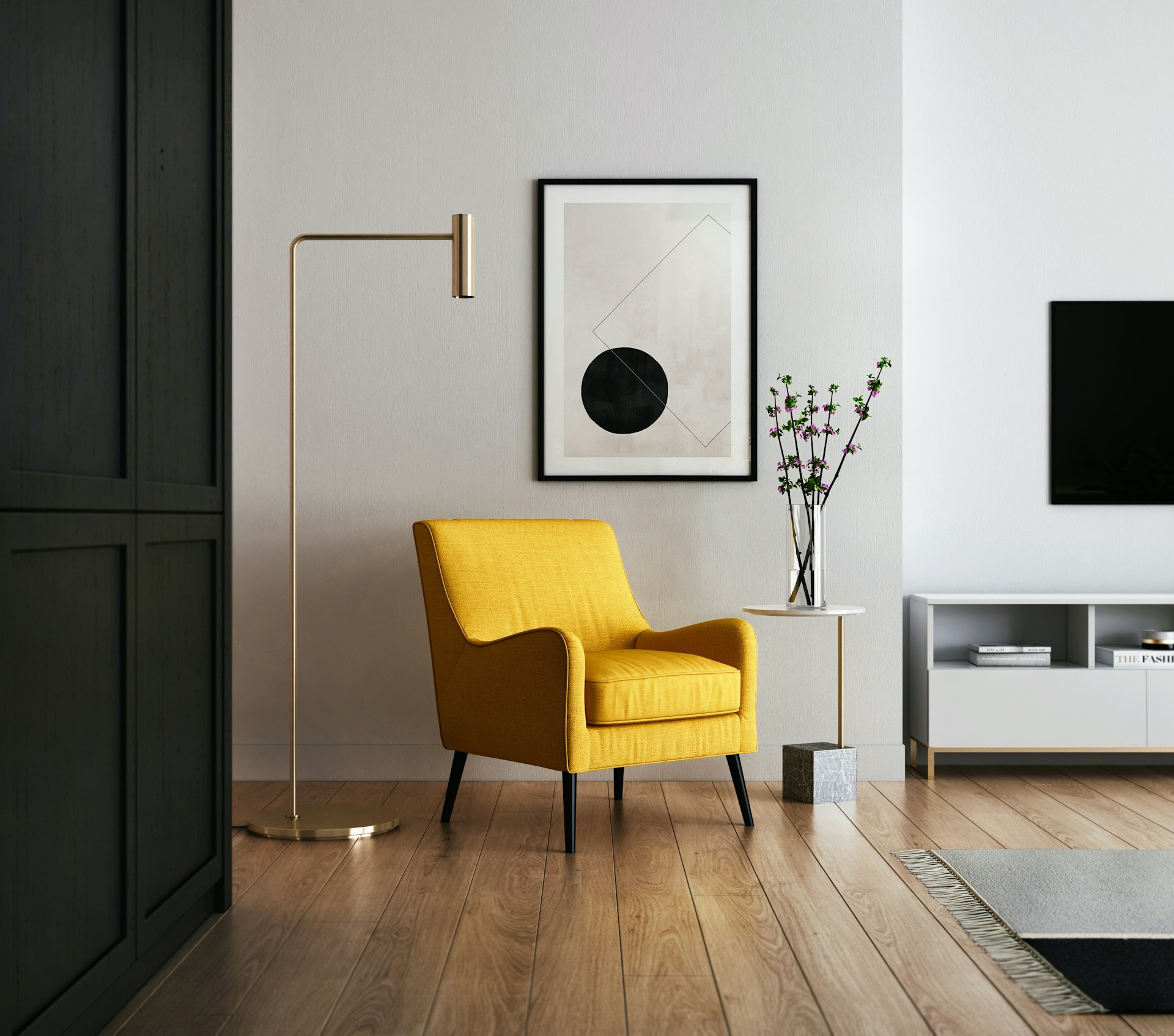
Floor lamps and table lamps place light at eye level and below, creating the warm, intimate pools of light associated with high-end restaurants and hotel lobbies. Overhead light, by contrast, flattens faces and creates harsh shadows that read as institutional.
Look for arc floor lamps with fabric shades (which diffuse light softly) or torchiere-style uplighters that bounce light off the ceiling for indirect fill. LED A-bulbs at 2700K and 450–800 lumens are ideal for floor lamps — bright enough to read by, dim enough to feel atmospheric.
According to [Decorilla interior designers](https://www.decorilla.com/), floor lamps are the single most impactful furniture addition for transforming a living room's ambiance, precisely because they provide warmth at the human scale rather than from above.
3. LED Cove and Indirect Ceiling Lighting
Cove lighting — LED strips mounted inside a recessed channel or behind crown molding, aimed upward at the ceiling — is one of the most powerful tools in the 2026 living room lighting kit. Instead of a visible light source, you get a softly glowing ceiling that acts as a giant diffuser, washing the room in indirect ambient light.
The result is a room that feels both brighter and warmer than direct lighting achieves, without any glare or hot spots. Professional lighting designers have used this technique in commercial spaces for decades; 2026 is the year it became a genuine DIY option.
A typical cove lighting setup uses a 24V LED strip at 2700K (look for 90+ CRI, 10W/m density), mounted in an aluminum channel with a diffuser cover, and connected to a dimmable driver. The full installation for a medium living room runs $80–$150 in materials and can be completed in an afternoon. See our full guide on [LED cove lighting installation](/led-cove-lighting-ceiling-diy) for step-by-step instructions.
The [U.S. Department of Energy's Lighting Facts program](https://www.lightingfacts.com/) notes that indirect lighting from diffuse sources like cove installations produces equal perceived brightness at lower actual lumen output — meaning you use less energy while the room feels more pleasant.
4. Tunable White for Circadian-Aware Living Rooms
Tunable white — bulbs and strips that shift color temperature on a schedule or on demand, from 3000K in the morning to 1800K–2200K in the evening — is the second major LED technology trend in 2026 living rooms.
This maps onto what researchers call "human-centric lighting." The core science, published through the [National Institutes of Health](https://www.ncbi.nlm.nih.gov/pmc/articles/PMC6751071/), is that blue-spectrum light suppresses melatonin — the hormone that initiates sleep — while warm amber light does not. Using a living room at full 3000K until 10pm can delay sleep onset by 30–45 minutes.
Smart tunable bulbs from brands like LIFX, Nanoleaf, and Philips Hue automate this shift via their apps or through Matter-compatible automations. A simple setup: living room lights gradually warm from 3000K to 2200K between 7pm and 9pm. Residents typically report better sleep within days without consciously registering the change.
For strip-light implementations, look for RGBWW or dual-white strips with separate warm and cool LED channels. These allow smooth tuning across the full spectrum.
5. Dimmers Are Non-Negotiable
If you are not dimming your living room lights, you are not using them correctly. Full-brightness LED lighting is for utility — finding your keys, reading fine print. A living room used for relaxation or watching content should almost never run at full brightness.
The ideal living room lighting setup has three modes:
- Task/daytime: 70–100% brightness, 3000K–3500K
- Evening/social: 30–50% brightness, 2700K
- Movie/cinema: 5–15% brightness, 2200K–2700K, accent lights only
Trailing-edge (ELV) dimmers work best with LED loads and produce less flicker than leading-edge dimmers. Look for dimmers specifically labeled LED-compatible. Lutron Caseta and Leviton Decora Smart are widely recommended for reliability and broad LED compatibility.
6. Accent Lighting as Décor
Accent lighting — directed light that highlights artwork, shelving, or plants — is a structural element of the 2026 living room lighting design, not an afterthought.
Practically, this means:
- LED strips under and behind shelving units, creating a floating effect and softly illuminating displayed objects
- Directional spotlights on plants, which creates dramatic shadow patterns on walls
- Bias lighting behind televisions — LED strips fixed to the back of the TV that reduce eye strain during viewing
The IEEE and SMPTE both endorse bias lighting as an evidence-based approach to reducing display-related eye strain. For home comfort, 3000K–4000K strips are most commonly used.
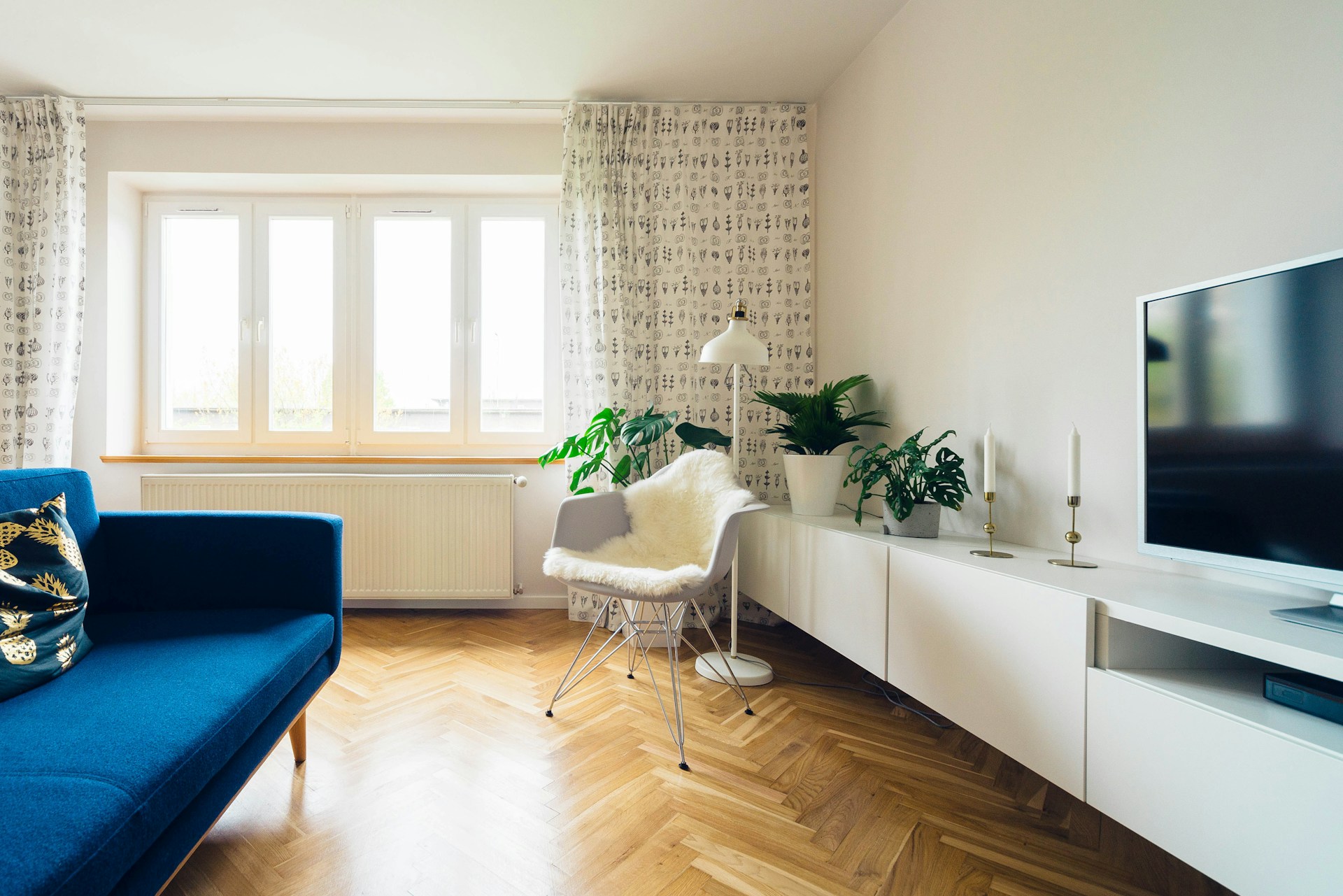
How to Update Your Living Room Lighting in a Weekend {#weekend-upgrade}
You do not need to rewire anything or hire an electrician for most of these changes.
Day 1 (2–3 hours):
- Replace all overhead bulbs with 2700K, 90+ CRI LEDs at 450–800 lumens each
- Install dimmer switches (switch off circuit breaker, swap the switch — about 15 minutes per switch)
- Add one or two floor lamps with 2700K LED bulbs
Day 2 (2–4 hours):
- Install LED cove or under-shelf strips in aluminum channels with diffusers
- Set up smart bulbs or a smart dimmer to create evening and movie scenes
- Add bias lighting behind the television
Total estimated cost for a medium living room: $120–$350. According to [Energy Star](https://www.energystar.gov/products/lighting_fans/light_bulbs/learn_about_led_bulbs), certified LED bulbs use at least 75% less energy than incandescent equivalents and last 15–25 times longer.
What to Avoid in 2026 Living Room Lighting {#what-to-avoid}
- All-overhead lighting at full brightness. The number one mistake. Makes rooms feel institutional regardless of furniture quality.
- Mismatched color temperatures. 2700K pendants mixed with 4000K recessed lights look incoherent. One temperature per room.
- Non-dimmable setups. If you cannot control intensity, you cannot create atmosphere.
- Blue-heavy LEDs in evening spaces. Anything above 3500K in an evening living room actively disrupts circadian rhythms.
- LED strips without diffusers. Visible LED dots create uncomfortable glare. Always use aluminum channels with frosted diffuser covers.
FAQ {#faq}
What color temperature is trending for living rooms in 2026?
2700K is the dominant trend in 2026 living room lighting — warm, amber-toned, and close to vintage incandescent. For spaces that serve daytime and task functions, 3000K is acceptable. Anything above 3500K is now considered too cool for residential living rooms by most interior designers.
How do I make my living room lighting feel more luxurious without a renovation?
Three changes have the highest impact with no construction required: (1) Switch all bulbs to 2700K high-CRI LEDs, (2) add a dimmer switch to your overhead fixture, and (3) bring in a floor lamp or two with warm-white bulbs. These three steps alone transform the feel of a room more than most furniture changes.
What are the best LED lighting ideas for a cozy home atmosphere?
LED cove lighting (indirect ceiling glow), LED strips under shelving, warm-white floor lamps, and tunable smart bulbs set to dim and warm in the evenings. Together these create a layered, atmospheric space where different activities can have different lighting moods.
Is smart lighting worth it for living rooms in 2026?
Yes — especially for automating the circadian shift. A Matter-compatible smart dimmer or smart bulbs allow you to set scenes and schedules that automatically dim and warm your lights in the evening without manual adjustment. The benefit for sleep quality is well-documented and the technology is now broadly affordable.
What wattage LED bulbs should I use in living room floor lamps?
6–9W LED (equivalent to 40–60W incandescent, producing 450–800 lumens) at 2700K. This is bright enough for reading but dim enough to feel atmospheric. Avoid "daylight" or "bright white" bulbs in living spaces — they produce too much blue-spectrum light and read as harsh.
Can I install LED strip lights without an electrician?
Yes, for low-voltage LED strip systems (12V or 24V DC). These plug into standard outlets via LED drivers and require no electrical knowledge. Most residential cove lighting and under-shelf applications use low-voltage strips and are fully DIY-friendly. See our complete [warm white LED guide](/warm-white-led-2700k-trend-2026) and [layered lighting breakdown](/layered-ambient-lighting-led-strips) for more.


