The Cold Room Lighting Mistake: How to Make LEDs Feel Warm and Inviting

Warm LED room lighting usually means 2700K to 3000K bulbs or strips, dimmable fixtures, lamps at several heights, and indirect light that bounces off walls, shades, or diffusers instead of shining directly into your eyes. If a room feels cold, replace daylight bulbs first, lower the brightness, add warm accent layers, and avoid mixing cool white and warm white in the same sightline.
The Cold Room Lighting Mistake: How to Make LEDs Feel Warm and Inviting
Warm LED room lighting is not about making every bulb amber or dim. It is about choosing the right color temperature, putting light at the right height, softening direct glare, and giving the room more than one source of light. Most rooms that feel cold do not have a design problem. They have one bright, cool, exposed light doing all the work.
Quick answer {#quick-answer}
If LED lighting makes a room feel cold, start by replacing daylight or cool white bulbs with 2700K to 3000K warm white LEDs. Then add layers: table lamps, floor lamps, under-shelf glow, cove lighting, or hidden LED strips that bounce light off nearby surfaces. Put the main layers on dimmers and use diffusers or shades so the room has glow instead of sharp points.
For most living rooms, bedrooms, and dining rooms, 2700K feels cozy and lamp-like, while 3000K feels warm but a little cleaner. Kitchens, bathrooms, and work areas can use 3000K to 3500K when task clarity matters, but they still need warmer ambient light for evening use.
The U.S. Department of Energy explains that LED lighting is efficient, long-lasting, and controllable compared with older technologies: https://www.energy.gov/energysaver/led-lighting. That controllability is the advantage. You can use LEDs to create softer rooms, not just brighter ones. Energy Star also notes that LED bulbs use much less energy and last longer than traditional incandescent bulbs: https://www.energystar.gov/products/lighting_fans/light_bulbs/learn_about_led_bulbs. The mistake is treating that efficiency as permission to overlight the room.
For a broader room plan, pair this guide with our [LED color temperature room guide](/blog/led-color-temperature-room-guide-kitchens-bedrooms-workspaces).
Why LED rooms can feel cold {#why-leds-feel-cold}
LEDs get blamed for cold rooms, but the real issue is usually selection and placement. A cheap 5000K bulb in a ceiling fixture will feel very different from a high-quality 2700K lamp behind a shade. Both may be LED, but only one belongs in a relaxed room after sunset.
Cold lighting usually comes from one or more of these problems:
- Color temperature is too high.
- The fixture is too bright for the room.
- The light source is exposed to the eye.
- Every source comes from the ceiling.
- Warm and cool bulbs are mixed together.
- The room has no dimming range.
- LED strips show dots instead of a smooth glow.
The biggest mistake is replacing old incandescent bulbs with LEDs by matching only the wattage equivalent. Incandescent bulbs naturally looked warm, especially when dimmed. LEDs need more intentional choices. A 60-watt-equivalent daylight bulb may save energy, but in a bedroom or living room it can make paint, wood, fabric, and skin tones look flat.
The fix is not to abandon LEDs. The fix is to choose LEDs the way designers choose light: by color temperature, color quality, beam control, dimming behavior, and placement.
Choose the right color temperature first {#color-temperature}
Color temperature is measured in Kelvin. Lower numbers look warmer. Higher numbers look cooler. For residential rooms, this one spec changes the feeling of the space more than almost anything else.
Use this simple guide:
| Room or use | Better LED color temperature |
|---|---|
| Bedroom evening light | 2200K to 2700K |
| Living room lamps and ambient light | 2700K to 3000K |
| Dining room | 2700K to 3000K |
| Kitchen general lighting | 3000K to 3500K |
| Kitchen counter task light | 3000K to 3500K |
| Bathroom vanity | 3000K to 3500K |
| Laundry, garage, closet, utility zones | 3500K to 4000K |
The common cold-room mistake is using 4000K to 5000K in spaces meant for relaxing. Those cooler whites can be useful in a garage, utility closet, or workbench area, but they often feel clinical in a living room. If the package says daylight, cool white, or 5000K, it is probably not the right first choice for cozy rooms.
Also watch consistency. A room can feel strange when a 2700K lamp, a 3000K strip, and a 5000K ceiling bulb are visible together. The eye notices the mismatch even when the homeowner cannot name it. Pick one warm range for the main view. If task areas need cleaner light, keep that layer separate and dimmable.
Add warm layers instead of one brighter bulb {#layers}
A room rarely becomes inviting because one ceiling fixture got warmer. It becomes inviting when light comes from multiple places.
Start with three layers:
- Ambient light: the soft overall brightness that lets the room feel comfortable.
- Task light: focused light for reading, cooking, grooming, or working.
- Accent light: glow on shelves, art, plants, cabinetry, walls, or architectural edges.
In a living room, that might mean a dim ceiling fixture, a floor lamp near the sofa, a shaded table lamp, and hidden shelf lighting. In a bedroom, it might mean bedside lights, a headboard glow, and a low under-bed strip for nighttime movement. In a kitchen, it might mean under-cabinet task lighting during prep and a dimmer pendant or above-cabinet glow after dinner.
This is why our [ambient lighting trends guide](/blog/ambient-lighting-trends-2026-warm-layers-hidden-strips-no-glare) focuses on warm layers, hidden strips, and glare control. The best modern LED rooms do not look like brighter rooms. They look calmer because no single source has to carry the whole space.
Height matters too. Ceiling-only lighting casts shadows downward and can make faces look tired. Lamps at eye level, low strips near the floor, and reflected light from walls or ceilings give the room depth. When light exists at several heights, the room feels designed instead of just illuminated.
Use dimmers, diffusers, and reflected light {#dimmers-diffusers}
Warm color temperature helps, but harsh warm light is still harsh. A bare 2700K bulb can glare. A visible LED strip can show dots. A pendant with no shade can shine into seated eyes. Comfort comes from controlling how the light reaches the room.
Dimmers are the easiest upgrade. Most rooms need different brightness at different times of day. Full output may be useful for cleaning. Half output may be right for dinner. Very low output may be enough for late-night movement. Make sure the LED bulb, driver, and dimmer are compatible; mismatched dimmers can cause flicker, buzzing, or poor low-end control.
Diffusers help linear LEDs look more expensive. If you are using LED strips under shelves, behind furniture, in coves, or under cabinets, place them in aluminum channels with milky covers where possible. The channel keeps the strip straight, protects the tape, and softens the diode pattern. Our [comfortable LED strip lighting guide](/blog/comfortable-led-strip-lighting-power-diffusion-placement) explains diffusion, voltage, power, and placement in more detail.
Reflected light is often the most flattering light. Instead of pointing a strip into the room, aim it toward a wall, ceiling, backsplash, or cabinet surface. Instead of using an exposed bulb, use a shade. Instead of placing a bright source where people see it directly, hide it behind an edge so the surface glows.
The test is simple: sit where people actually sit. If you see a sharp light source, lower it, shade it, diffuse it, move it, or dim it.
Room-by-room fixes for cold LED lighting {#room-fixes}
Living room
Replace cool ceiling bulbs first. Use 2700K or 3000K lamps with warm shades, then add one hidden accent layer behind shelves, a media unit, or a plant corner. If the TV wall has lighting, keep it low and indirect so it supports the screen instead of competing with it.
Bedroom
Use 2200K to 2700K for evening lamps and bedside lights. Avoid daylight bulbs overhead unless there is a separate work or dressing need. A warm headboard strip, low under-bed strip, or soft wardrobe glow can make the room feel relaxed without adding glare.
Kitchen
Kitchens need clarity, so 3000K to 3500K often works better on counters than very warm light. The trick is separating task mode from evening mode. Use under-cabinet lighting for prep, then dim pendants or add above-cabinet glow when the kitchen is part of the living space.
Dining room
Dining rooms usually look best around 2700K to 3000K. Put the main fixture on a dimmer. If the table light feels cold even with warm bulbs, check whether the fixture exposes the bulbs directly. A shade, diffuser, or lower output bulb can make more difference than another Kelvin change.
Bathroom
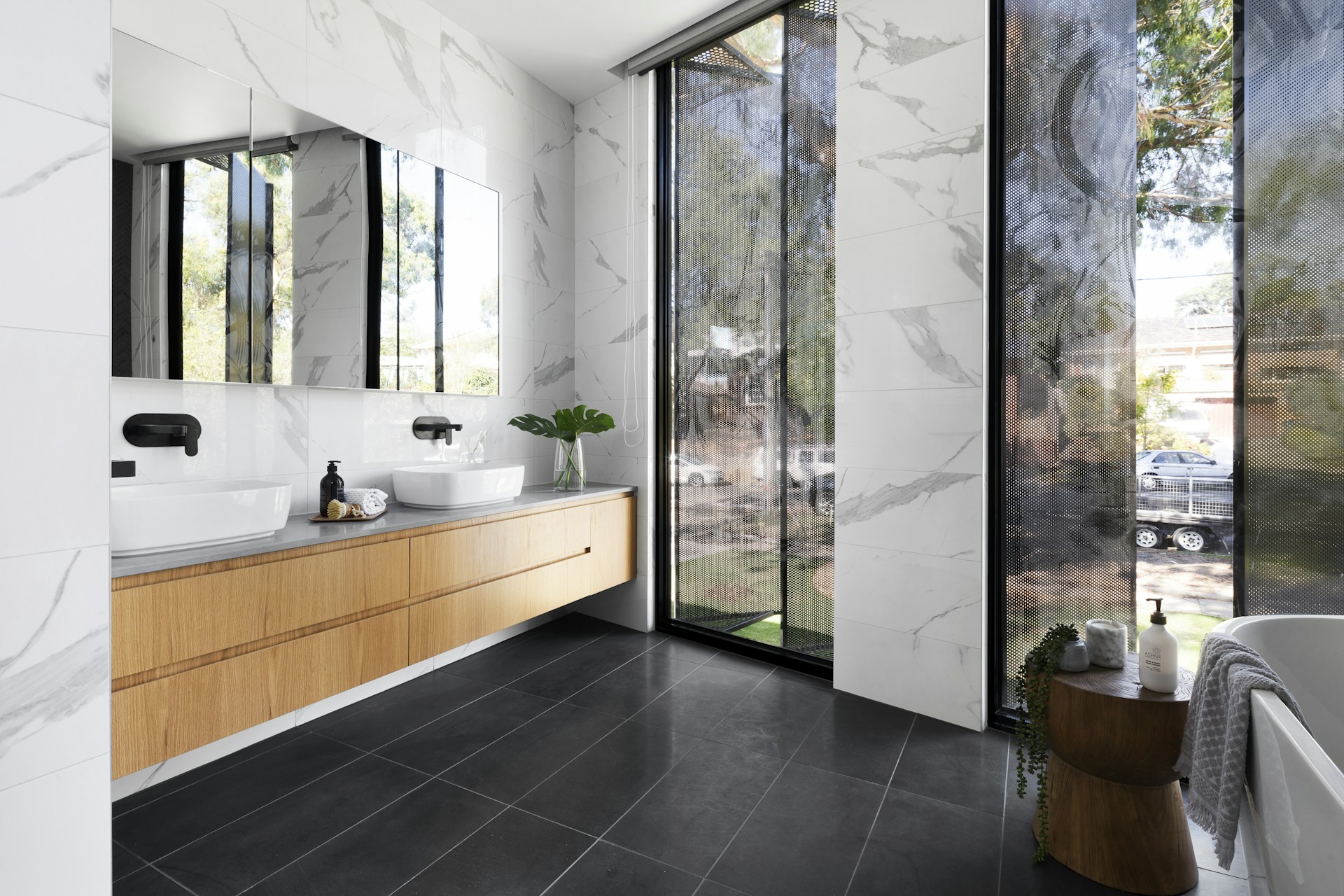
Bathrooms are the exception where slightly cleaner light can help. Use 3000K to 3500K around the vanity for grooming, but add a warmer night or accent layer if the bathroom feels harsh. Keep wet-location requirements in mind when placing any fixture or strip near water.
A quick checklist before buying new lights {#checklist}
Before replacing everything, audit the room:
- Are any bulbs 4000K, 5000K, daylight, or cool white?
- Is the brightest source visible from the sofa, bed, or dining chair?
- Does every light come from the ceiling?
- Are warm and cool bulbs mixed in the same view?
- Can the main lights dim smoothly?
- Do LED strips show dots or reflections?
- Is there at least one lamp or indirect layer?
- Is task lighting separate from relaxing light?
Fix the biggest offender first. In many rooms, swapping one cool overhead bulb for a warm dimmable LED and adding one shaded lamp changes the entire mood. After that, hidden strips, wall glow, and better controls refine the result.
Warm LED room lighting works when the technology disappears into the room. The goal is not amber light everywhere. The goal is a room that looks clear when you need it, soft when you want it, and comfortable after dark.
FAQ {#faq}
Why do my LED lights make the room feel cold?
Most cold LED rooms use bulbs that are too cool, too bright, or too exposed. Daylight bulbs, ceiling-only lighting, visible LED strips, and mixed color temperatures are common causes.
What color temperature makes LEDs feel warm?
Use 2700K to 3000K for warm LED room lighting in living rooms, bedrooms, and dining rooms. Use 3000K to 3500K for kitchens and bathrooms when task clarity matters.
Can LED strip lights look warm and expensive?
Yes. Choose warm white or RGBW strips with good white output, hide the strip from direct view, use an aluminum channel with a diffuser, and bounce the light off a wall, shelf, cabinet, or ceiling.
Should I use daylight LED bulbs at home?
Daylight bulbs can work in garages, laundry rooms, closets, and work areas. They usually feel too cool for bedrooms, living rooms, and dining spaces.
How do I make overhead LED lighting less harsh?
Use warmer bulbs, lower output, compatible dimmers, frosted lenses, shaded fixtures, and supporting lamps. The best fix is often reducing the ceiling light and adding lower warm layers around the room.
Frequently Asked Questions
Why do my LED lights make the room feel cold?
Most cold LED rooms use bulbs that are too cool, too bright, or too exposed. Daylight bulbs, ceiling-only lighting, visible LED strips, and mixed color temperatures are common causes.
What color temperature makes LEDs feel warm?
Use 2700K to 3000K for warm LED room lighting in living rooms, bedrooms, and dining rooms. Use 3000K to 3500K for kitchens and bathrooms when task clarity matters.
How do I make overhead LED lighting less harsh?
Use warmer bulbs, lower output, compatible dimmers, frosted lenses, shaded fixtures, and supporting lamps. The best fix is often reducing the ceiling light and adding lower warm layers.


