Where to Put LED Strip Lights in a Room: 13x23 Hangout Layout Ideas

The best places to put LED strip lights in a room are ceiling coves, behind a TV or monitor, under shelves, behind desks, under beds or sofas, inside display niches, and along low wall details where the light source stays hidden.
Where to Put LED Strip Lights in a Room: 13x23 Hangout Layout Ideas
A 13x23 hangout room is big enough for zones: gaming, TV, snacks, homework, music, and the general chaos that comes with a teen space. That is exactly why LED strip placement matters. If the strip goes in one random line around the ceiling, the room may look bright for a week and then feel messy, glare-heavy, or unfinished. The better approach is to decide what the strip should do: outline the room, wash a wall, light shelves, create bias lighting behind a screen, or make a low-glow path at night.
The short version: put LED strip lights where the light can bounce off a surface, not where the bare LEDs shine into people’s eyes. In a long 13x23 room, the best starting layout is usually one indirect perimeter run on the ceiling or upper wall, one focused media-wall or desk zone, and optional shelf or under-furniture accents. Outlet locations, control access, and power-injection points should be planned before buying the strip.
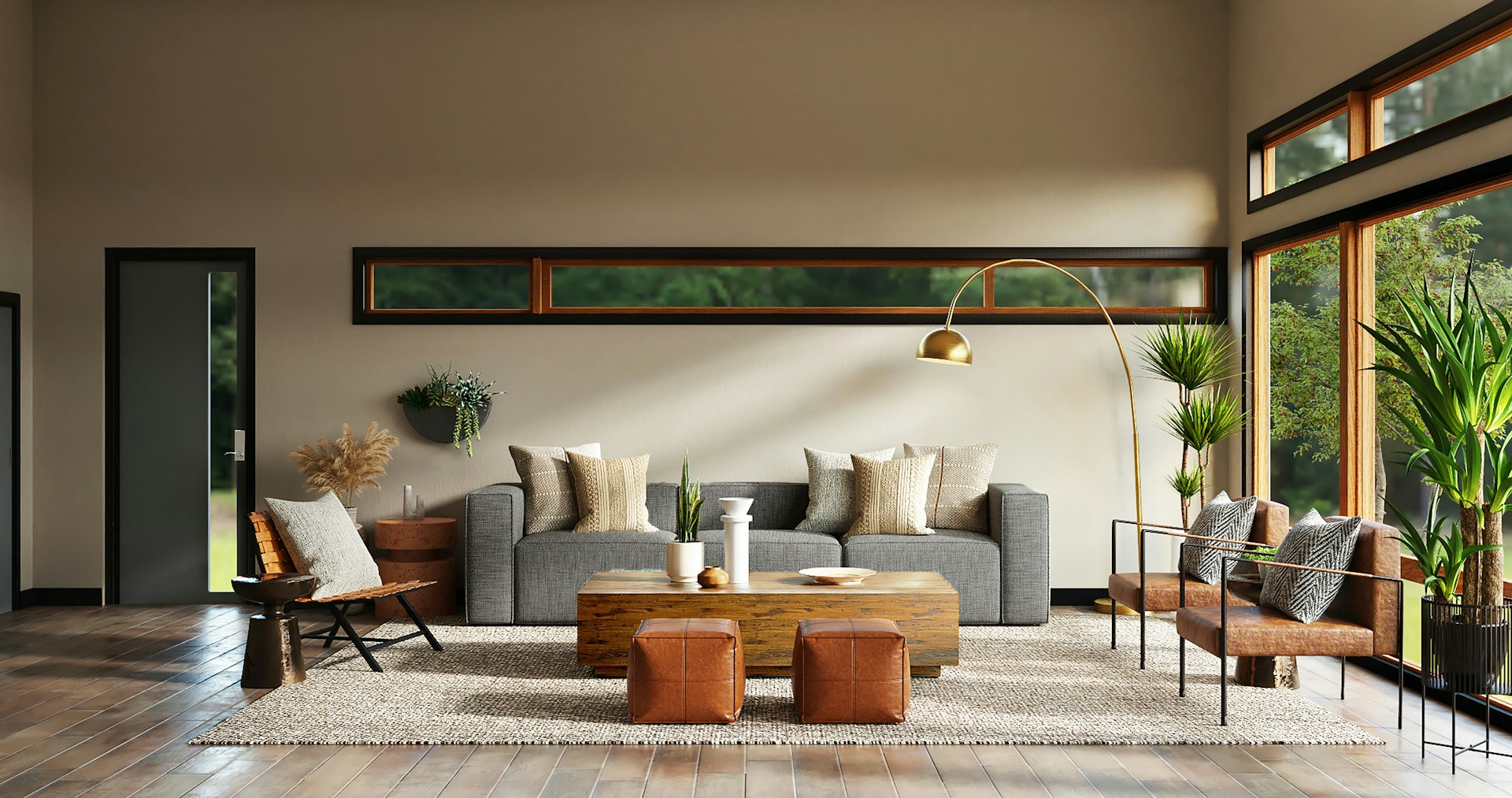
Quick answer {#quick-answer}
The best places to put LED strip lights in a room are ceiling coves, behind a TV or monitor, under shelves, behind desks, under beds or sofas, inside display niches, and along low wall details where the light source stays hidden. For a 13x23 room, avoid one exposed strip around the entire wall. Use 2-3 controlled zones instead: perimeter glow, media bias lighting, and one accent area.
Start With the Room Shape, Not the Strip Length {#room-shape}
A 13x23 room has one obvious challenge: it is long. If you run a single strip around the full perimeter, the short walls and long walls may not feel balanced. The room can turn into a glowing outline instead of a comfortable space. A better plan is to divide the room into zones.
Think of it this way:
- Media zone: TV, projector wall, gaming setup, or monitors.
- Lounge zone: sofa, beanbags, chairs, or floor seating.
- Storage/display zone: shelves, collectibles, books, trophies, instruments, or art.
- Path zone: entry door, closet, snack area, or route to a bathroom.
Each zone may need a different lighting effect. The media wall needs low-glare bias light. The lounge zone needs soft ambient light. Shelves need directional accent light. The path zone needs practical low-level visibility. One strip rarely does all of that well.
The U.S. Department of Energy notes that LEDs are efficient, long-lasting, and highly controllable compared with older lighting technologies, which is why they work well for layered room designs instead of just bulb replacement: https://www.energy.gov/energysaver/led-lighting. That controllability is the real advantage here.
Best Placement Option 1: Ceiling Cove or Upper-Wall Glow {#ceiling-cove}
For most hangout rooms, the cleanest main effect is indirect light near the ceiling. This can be a real cove, a shallow molding detail, a channel mounted just below the ceiling, or a strip hidden on top of a tall shelf or cabinet. The goal is to wash the ceiling or upper wall, not expose individual LEDs.
In a 13x23 room, do not automatically run all four walls. Start with the two long walls or the wall behind the main seating area. If the strip points upward and bounces off the ceiling, it can make the room feel bigger without creating harsh glare. If the ceiling is very low, use a warmer and dimmer setting so the room does not feel like a bus interior.
This is also where diffuser channels help. A bare strip stuck to drywall usually looks temporary. An aluminum channel keeps the line straight, protects the strip, helps move heat away from the LEDs, and makes the installation look intentional.
Internal link: if you want a more architectural ceiling detail, read our [LED cove lighting ceiling DIY guide](/blog/led-cove-lighting-ceiling-diy).
Best Placement Option 2: Behind the TV or Gaming Monitor {#bias-lighting}
Bias lighting behind a TV or monitor is one of the highest-value LED strip placements. It reduces the contrast between a bright screen and a dark wall, makes the media area feel more immersive, and does not require lighting the entire room.
Place the strip on the back of the TV, media panel, desk hutch, or monitor shelf so it shines onto the wall. Keep it hidden from normal seating angles. For TV use, white bias light is usually better than aggressive RGB effects. Color scenes can be fun for parties, but a steady warm or neutral white is more comfortable for everyday viewing.
If the room has both a TV and a gaming desk, consider two separate zones. The TV bias light should not force the desk light to turn on, and the desk light should not blast the whole lounge area. Separate controllers or a multi-zone controller make the room more usable.
Energy Star explains that LED lighting uses at least 75% less energy and lasts far longer than incandescent lighting, which helps when low-output accent zones run for long evenings: https://www.energystar.gov/products/lighting_fans/light_bulbs/learn_about_led_bulbs.
Best Placement Option 3: Shelves, Display Walls, and Niches {#shelves}
Shelves are perfect for LED strips because they naturally hide the source. Put the strip under the front lip of each shelf to shine downward, or behind the shelf to create a wall glow. For collectibles, books, LEGO builds, sports gear, or music equipment, this makes the room feel designed rather than just decorated.
The key is restraint. You do not need every shelf glowing in full RGB. One or two highlighted display areas are usually enough. If the room already has ceiling glow and media bias light, shelf lighting should be dimmer than both.
Use warm white or tunable white for the baseline, then add RGB only where color is actually wanted. RGB-only strips often make poor white light because they mix red, green, and blue channels instead of using a dedicated white LED. RGBW or RGB+CCT strips are better if the room needs both fun colors and normal daily light.
Best Placement Option 4: Under Furniture and Low-Level Paths {#under-furniture}
Under-sofa, under-bed, under-console, and baseboard lighting can make a hangout room feel relaxed at night. This works especially well in a long room because it gives enough orientation light without turning on overhead fixtures.
For a teen room, low-level lighting is also practical. It helps people move around during movies, gaming sessions, or sleepovers without stepping on bags, cables, shoes, or controllers. Keep these strips dim and indirect. The best version is a soft floor glow, not a visible dotted line.
If you use motion sensors, make sure the lights fade on gently. Abrupt snap-on lighting ruins the cozy effect. For low-voltage strips, also keep power supplies accessible and avoid placing drivers where they will be buried behind heavy furniture forever.
Outlet Planning: The Part People Skip {#outlets}
Outlet location can decide whether a strip-light plan looks clean or messy. Before buying anything, mark the outlets, door swings, seating, TV position, desk position, and likely furniture layout. Then choose where the controller and power supply will live.
For a 13x23 room, voltage drop can become an issue on long runs. If one end of a long strip looks dimmer or color-shifted compared with the other end, the run may need power injection or a shorter zone. This is especially common with addressable RGBIC strips and high-output white strips.
IEEE lighting and power-quality discussions frequently point back to driver quality, dimming behavior, and electrical compatibility as major factors in visible flicker and performance problems. A useful IEEE overview on LED flicker and power quality is here: https://ieeexplore.ieee.org/document/8782451. Translation for homeowners: the strip is not the only component that matters. Power supplies, controllers, dimmers, connectors, and wiring all affect the final result.
Philips Hue vs Budget LED Strips {#hue-vs-budget}
Philips Hue strips are worth considering when reliability, app polish, ecosystem integration, and easy scene control matter more than cost per foot. They are especially useful if the room already uses Hue bulbs, motion sensors, switches, or voice control.
Budget strips make sense when you need more length, simple color effects, or a first version of the room before committing to a premium system. The tradeoff is that cheap kits often have weaker adhesive, lower white quality, limited brightness control, shorter controller range, and less predictable replacement availability.
A practical compromise is to use premium strips for the most visible zone, such as the media wall or ceiling cove, and budget strips for experiments like under-bed or shelf accents. Do not mix too many apps and remotes, though. A room that needs four remotes stops being fun.
For buying details, compare specs in our [best LED strip lights for every room guide](/blog/best-led-strip-lights-every-room-2026).
Recommended 13x23 Layout {#recommended-layout}
Here is the layout I would use for a long teen hangout room:
- Main ambient zone: indirect strip along one or both long walls near the ceiling, dimmable, warm white or tunable white.
- Media zone: bias light behind the TV, monitor wall, or gaming desk, controlled separately.
- Accent zone: shelf lighting or under-sofa glow, kept subtle.
- No exposed full-room outline: avoid a bare strip around all four walls unless it is hidden in a channel or cove.
- One control plan: wall switch, remote, app, or smart button that a guest can understand in five seconds.
This setup gives the room depth without making it look like a temporary party strip installation.
Common Mistakes to Avoid {#mistakes}
The first mistake is putting strips where people can see the LED chips directly. That creates glare and makes even expensive strips look cheap.
The second mistake is buying only by length. A 100-foot kit sounds convenient, but long runs need proper voltage, power capacity, controller support, and sometimes power injection.
The third mistake is making every zone RGB. Color is fun, but a hangout room still needs comfortable white light for cleaning, reading, homework, and normal use.
The fourth mistake is relying on adhesive alone in dusty, textured, or warm areas. Use channels, clips, or mounting hardware for anything you want to last.
FAQ {#faq}
Where should LED strip lights go in a bedroom or hangout room?
The best places are behind a TV or monitor, in a ceiling cove, under shelves, behind a desk, under a bed or sofa, and inside display niches. The strip should be hidden so the room sees the glow, not the LEDs.
Should LED strips go on the ceiling or walls?
Ceiling-adjacent placement usually looks cleaner when the strip is hidden and aimed at the ceiling or upper wall. Exposed wall outlines can look harsh unless the strip is inside a proper channel with diffusion.
How many LED strip zones does a 13x23 room need?
Most 13x23 rooms work best with 2-3 zones: a main ambient zone, a media or gaming zone, and one accent zone. More zones can work, but only if the controls stay simple.
Are Philips Hue strips worth it for a teen room?
They can be worth it if you want reliable app control, smart switches, voice control, and easy scenes. If the budget is tight, use premium strips only in the most visible zone and use simpler strips for accents.
Do LED strip lights use a lot of electricity?
Usually no, especially when dimmed. Energy Star notes that LEDs use at least 75% less energy than incandescent lighting, but long high-output strip runs still need correctly sized power supplies and sensible dimming.
Frequently Asked Questions
Where should LED strip lights go in a bedroom or hangout room?
Place them behind a TV or monitor, in a ceiling cove, under shelves, behind a desk, under a bed or sofa, and inside display niches so the room sees the glow rather than the bare LEDs.
How many LED strip zones does a 13x23 room need?
Most 13x23 rooms work best with 2-3 zones: one main ambient zone, one media or gaming zone, and one subtle accent zone.
Are Philips Hue strips worth it for a teen room?
They are worth it when reliable app control, smart switches, voice control, and easy scenes matter more than cost per foot. Budget strips can still work well for simple accents.


